
If you notice any bump or lump on your skin, it may not be cause for alarm. That is because not all changes to your skin are dangerous. In fact, many lumps, bumps, and marks that appear over time are harmless. They are what we call benign skin growths. But it’s completely natural to wonder what they are, why they appear, and whether you should have them looked at.
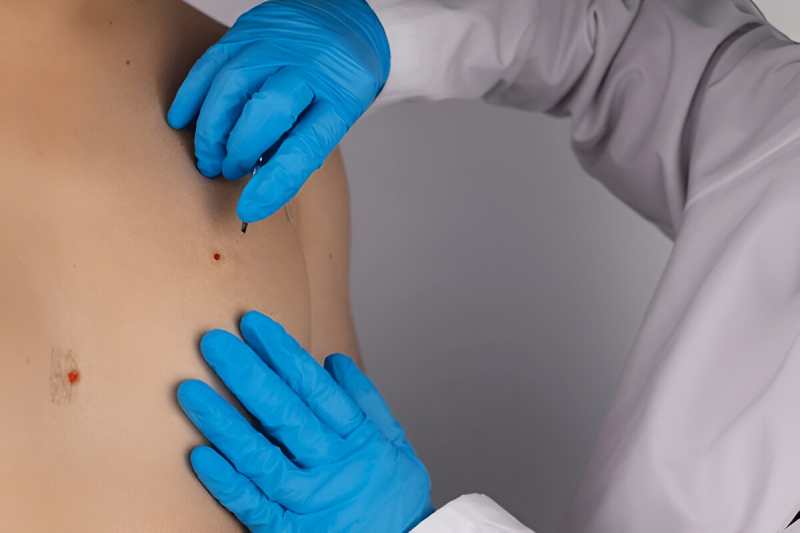
What Is a Skin Growth?
A skin growth is any raised area, lump, bump, or mark that develops on the surface of your skin. You may have a skin growth present from birth, or it may appear with age. Sometimes, skin growths are influenced by genetics or sun exposure.
Most skin growths are benign, meaning they are not cancerous, but they can still change in size, texture, or appearance over time. It is always better to get any skin growth checked by a medical professional to rule out any dangerous conditions.
Common Types of Benign Skin Growths
Benign skin growths can be categorised into the following types.
1. Skin Tags
Skin tags are common skin growths that appear as small, soft, flesh-coloured protrusions. They are generally painless and harmless. They typically appear on the neck, armpits, eyelids or under the breasts
2. Seborrhoeic Keratoses
These are warty-looking, slightly raised skin patches that often appear in middle age. They can vary in colour from light tan to dark brown and may feel slightly rough.
3. Epidermoid Cysts
These are cysts that appear as small, round lumps beneath the skin. They form when skin cells keep on multiplying rather than shedding normally. They may slowly grow over time but are usually harmless.
4. Moles
Moles commonly appear from childhood through adulthood. Most are benign, but changes in size, shape, colour, or borders are worth monitoring and getting checked out.
5. Lipomas
These are soft, slow-growing lumps of fatty tissue on the skin. They generally feel mobile when gently pressed. They’re typically painless and occur under the skin.
Why Do Skin Growths Develop?
Benign skin growths can appear for several reasons, including:
- Ageing skin — As our skin ages, cellular processes change and new growths can appear
- Genetics — Some people are more prone to certain types of skin growths
- Sun exposure — UV radiation can trigger skin changes over time
- Irritation or friction — Areas that get repeatedly rubbed like like under collars, may be more likely to develop skin tags
Most of these reasons are normal and not harmful, but knowing why they develop can help you distinguish between typical skin changes and when to seek medical advice.
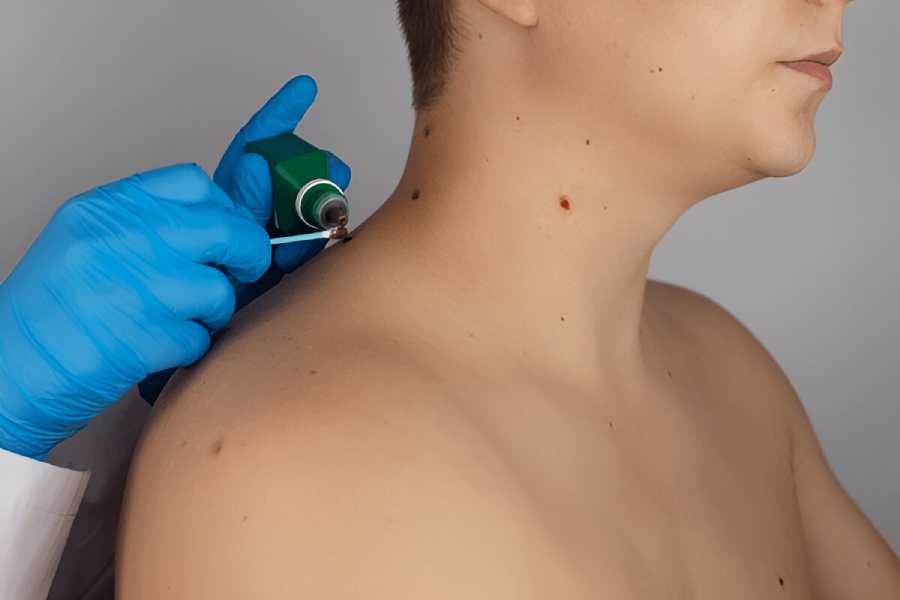
When Should You See a Professional?
If you find any new skin growth on your body, you don’t necessarily need to be concerned. However, you should consider a consultation if:
- A skin growth changes rapidly in size or colour
- It becomes painful, itchy, or bleeds
- It has irregular borders or multiple colours
- You’re unsure what it is
- It’s affecting you emotionally or physically
A qualified clinician can assess your skin growth and determine whether it needs to be observed further or if any treatment is needed.
Treatment Options for Skin Growths
Not all benign skin growths require treatment. Many people choose to leave harmless growths alone, especially if they aren’t bothersome. However, if you want to remove them for comfort or cosmetic reasons, then there are certain options available, including:
- Excision – cutting out the growth
- Cryotherapy – freezing off the growth
- Laser removal – precise light-based removal
- Electrosurgery – controlled use of electrical current to remove tissue
Your clinician will decide which is the most suitable option for you, depending on the type of growth, its location, and your individual preferences. Read more about skin growth treatment here.
Way Forward
Skin growths are common, and in many cases, they are just a normal part of how our skin changes or ages over time. While most benign skin growths are harmless, you should understand what is happening on your skin to rule out any concerning problems and to get peace of mind. Information about skin growths can also help you decide whether you need to take any action for them. If you notice a skin growth that is changing, causing discomfort, or simply leaves you confused, it is better to get it assessed to provide clarity and reassurance.
A professional evaluation helps ensure you’re making informed choices about your skin health in a comfortable and confident manner. Contact us for more information about skin growths and their treatment.

Frequently Asked Questions
What is a skin growth?
A skin growth is any lump, bump, or raised area on the skin that may be present at birth or may grow later. Many skin growths are benign and harmless, such as skin tags, cysts, and seborrhoeic keratoses.