
When you notice dark spots, patches, or uneven skin tone on your face or body, it can be frustrating and worrisome. These dark patches usually appear gradually over time. In most cases, these skin changes are actually skin pigmentation, often linked to sun damage.
In Singapore’s humid climate, skin pigmentation issues are quite common. The daily sun exposure plays a big role in how our skin ages and responds. The good news is that pigmentation can often be managed effectively once you understand what’s causing it and which options are suitable for your skin.
Explore More
What Is Skin Pigmentation?
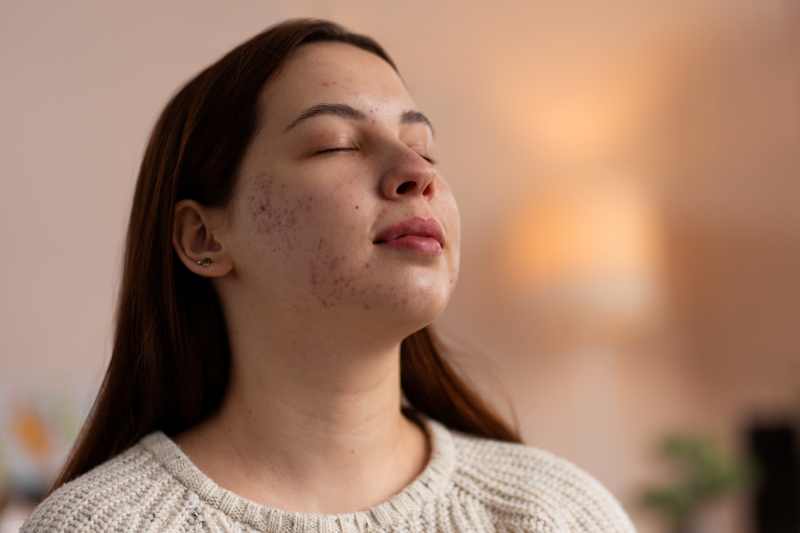
Melanin is a pigment that gives skin its natural tone. When there is excess melanin in the skin, it manifests as skin pigmentation — discolouration or dark patches on the skin. When melanin production becomes uneven or overactive, it can lead to dark patches or spots that stand out from the surrounding skin.
Skin pigmentation typically appears gradually and may become more noticeable with age, sun exposure, or hormonal changes.
How Sun Damage Causes Pigmentation
Sun exposure is one of the most common triggers of pigmentation. The Sun’s ultraviolet (UV) rays stimulate the pigment-producing cells in the skin (melanocytes) to produce more melanin as a protective response. Over time, this repeated sun exposure can cause:
- Localised dark spots
- Uneven skin tone
- Pigment patches that are slow to fade
- Worsening of existing pigmentation conditions
Because of this sun exposure, pigmentation typically appears on areas that are exposed, such as the face, neck, chest, arms, and hands.
Common Types of Pigmentation
There are several types of pigmentation, each with different causes and characteristics.
Sun Spots (Solar Lentigines)
These are typically the most common ones which appear as flat, brown spots. They develop after years of sun exposure and most commonly found on the face and hands.
Melasma
Melasma is a larger, patchy pigmentation that is often seen on the cheeks, forehead, and upper lip. Melasma is usually caused by sun exposure and hormonal changes.
Post-Inflammatory Hyperpigmentation (PIH)
Post-Inflammatory Hyperpigmentation (PIH) typically appears after acne, insect bites, or skin irritation. They appear as dark spots and are more common in darker skin tones.
Freckles
Freckles are another common type of skin pigmentation that appear as small, light-to-dark brown spots that darken with sun exposure and may fade when sun exposure is reduced. People with a fairer skin tone are more prone to having freckles.
Why Pigmentation Can Be Hard to Treat
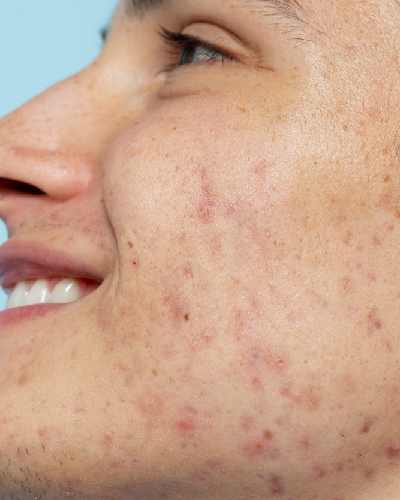
Although pigmentation may appear as dark patches on the surface of the skin, it isn’t just a surface issue. In many cases, pigmentation sits deeper within the skin layers. Moreover, sun exposure continues to trigger melanin production. If there is any inflammation in the body, it can worsen pigment formation. This is why pigmentation often returns if it is treated superficially or without proper sun protection.
How Pigmentation Is Treated
Skin pigmentation treatment approaches vary depending on the type, depth, and cause of pigmentation. Only after a personalised skin analysis can a treatment plan be devised for you, tailored to your specific case. Pigmentation treatment may involve the following approaches:
Topical Treatments
These include prescription creams and medical-grade skincare that can help regulate melanin production and promote gradual lightening.
Laser & Light-Based Treatments
These approaches target pigment deposits more precisely, which helps break them down so the body can clear them naturally.
Chemical Peels
A chemical peel is also an effective approach that removes damaged surface layers and promotes skin renewal. These are especially helpful for superficial pigmentation.
Combination Treatments
Depending on your pigmentation type and causes, you may benefit from a combination of topical care, in-clinic treatments, and sun protection. Your doctor will assess your skin type, pigmentation pattern, and lifestyle before recommending a plan.
Check out more detailed information about skin pigmentation treatment in Singapore.
Preventing Pigmentation from Worsening
Whether you have had treatment for pigmentation or simply haven’t had any pigmentation in your life, it is useful to follow certain healthy habits that can help prevent pigmentation to occur or worsen.
Using an SPF broad-spectrum sunscreen daily is very important. One should reapply sunscreen when outdoors, irrespective of whether it is cloudy or sunny. Moreover, wearing hats or going under a shade when possible can also help prevent sun exposure.
Avoid picking or irritating pigmented areas. Also, maintain a gentle skincare routine to keep the skin nourished and hydrated from within.
Next Steps
Skin pigmentation and sun damage can be complex and, at times, feel overwhelming, but they can be tackled. With proper assessment and a tailored plan suited to your skin, it is possible to improve skin tone safely and gradually.
If you are unsure about the type of pigmentation you are experiencing or which treatment may be suitable, a professional consultation can provide clarity and reassurance. This can help you take the next step with confidence. Book a consultation with us today to see how you can tackle your skin pigmentation issue.

Frequently asked questions
What causes skin pigmentation in Singapore?
Skin pigmentation is usually caused by excess melanin production. Frequent sun exposure, hormonal changes, inflammation, or skin injuries are usually the cause of excess melanin production.