
Probably the most common signs of ageing are wrinkles. Everyone notices them at some point in their lives, some a bit early and others a bit late. Some people see fine lines around their eyes in their 30s, while others start noticing deeper folds around the mouth or forehead later in life. While wrinkles are a normal part of how skin changes, many people want to understand why they form and what measures they can take to soften or improve their appearance.
Explore More
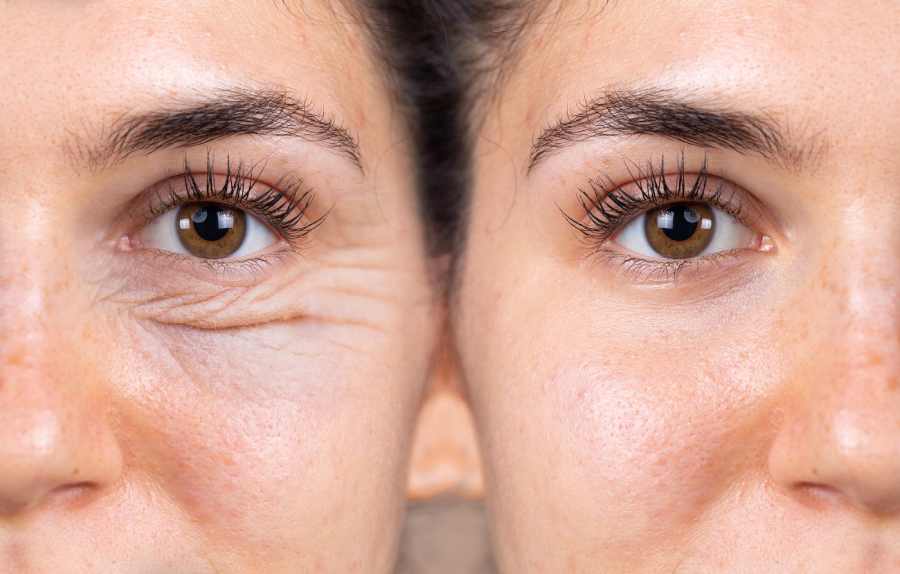
What Are Wrinkles?
Wrinkles are lines, creases or folds that form on the surface of the skin. They typically occur on those areas of the skin where it is repeatedly stretched or moved, such as around the eyes and on the sides of the lips when we smile, or across the forehead when we raise our eyebrows.
Our skin comprises two main elements that help keep it smooth:
- Collagen — a structural protein that gives skin strength
- Elastin — the fibre that allows skin to stretch and rebound
As we age and because of genetic factors, these proteins gradually decline, and the skin loses some of its elasticity and firmness. The result? A natural tendency to form fine lines and deeper wrinkles.
Why Do Wrinkles Form?
There can be several causes of wrinkles:
Ageing
The natural process of ageing reduces collagen and elastin production, which causes the skin to become thinner and less resilient. This means that skin loses its firmness and wrinkles start to form.
Sun Exposure
Ultraviolet (UV) radiation from the sun breaks down collagen fibres in the skin, which accelerates wrinkle formation. UV exposure typically causes accelerated wrinkles on the face, neck, and hands.
Facial Movements
Some facial expressions that cause repeated movements, like smiling, frowning, and squinting, can create lines over time. These usually begin as dynamic wrinkles (appear only when that movement is being done) and can become etched even at rest.
Lifestyle Factors
Certain unhealthy lifestyle habits, such as smoking, poor sleep, high sugar intake and dehydration, can accelerate visible signs of ageing.
Genetics
Your skin’s ageing pattern is also influenced by your genetics. This means that your genetics will also determine when you will get wrinkles.
Types of Wrinkles
There are different types of wrinkles, each having its own specific characteristics:
- Fine lines: Shallow lines often seen around the eyes or mouth
- Static wrinkles: Visible even when your face is relaxed
- Dynamic wrinkles: Caused by repeated muscle movement
- Deep folds: More pronounced lines, often around the smile lines or between the eyebrows
Understanding the type of wrinkles can help you and your aesthetician decide on the suitable treatment options.

How Are Wrinkles Treated?
Everyone’s skin is different, and the type and severity of their wrinkles will dictate the type of treatment required. Wrinkles are typically treated through the following options:
Topical Skincare
Topical skin creams and solutions, such as retinoids, antioxidants, and moisturisers, can improve skin texture and reduce early fine lines when used consistently.
Injectables
Injectables like Botulinum toxin (Botox) can soften dynamic wrinkles by relaxing muscle activity, especially on the forehead and around the eyes.
Dermal Fillers
Dermal fillers are a good treatment option for wrinkles as they can restore lost volume and smooth out deeper folds around the mouth and cheeks.
Energy-Based Treatments
Radiofrequency or ultrasound devices are energy-based treatments that encourage collagen remodelling and can improve skin firmness over time.
Combination Approaches
Depending on the typical skin condition, your aesthetician may adopt a combination of approaches, tailored to your skin condition, to bring the best, natural-looking result.
Read in detail about effective wrinkle treatment.
Wrinkles vs Other Skin Changes
Wrinkles are a natural part of the ageing process. It is important to distinguish it from other skin conditions, so that the right combination of treatment approaches can be selected.
- Sagging skin: refers to the loss of firmness and structure in the skin. It often requires deeper collagen stimulation that may tackle the wrinkles as well.
- Texture changes: These are rough or uneven skin textures, that normally appear due to sun damage or dryness. They are differnt from wrinkles.
- Age spots: These are pigmentation changes that are not directly related to lines or folds.
Preventing or Slowing Down Wrinkles
Although ageing is a unavoidable process and wrinkles cannot completely be avoided, certain habits support healthier skin with fewer visible signs of wrinkles. These habits complement clinical treatments for long-term improvement.
- Always use a good-quality SPF sunscreen.
- Drink plenty of water and eat a balanced diet.
- Avoid smoking.
- Get appropriate sleep.
- Adopt a daily skincare regimen that includes proven active ingredients.
Next Steps
If you have also started noticing your visible lines and wrinkles and want to address them, consider booking a consultation. With the right approach and treatment, you can achieve a refreshed look. With a personalised assessment, we can help identify your specific skin condition and clarify:
- Whether wrinkles are dynamic or static.
- Which treatments align with your lifestyle and goals
- And what kind of improvement you can reasonably expect and the expected timeline.
Your skin tells a story, and there are options to improve its appearance and let it reflect confidence and comfort. Book a consultation with us today to see how we can help you achieve younger-looking skin.
Contact Us Today
Frequently asked questions
What causes wrinkles?
Wrinkles are caused when collagen and elastin in the skin decline due to factors, such as age, sunlight exposure, repeated facial movements and lifestyle factors like smoking.